
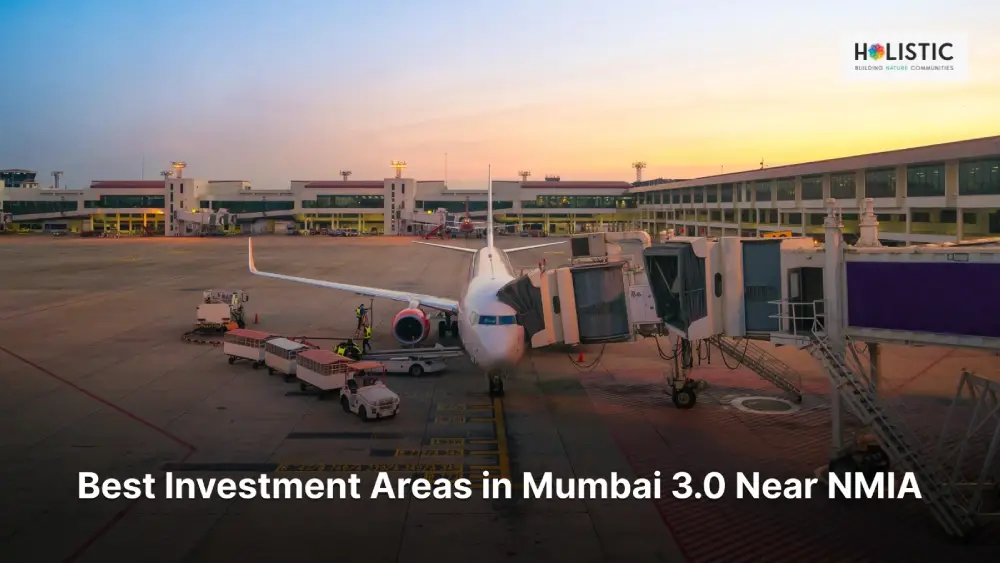
Introduction to Mumbai 3.0
Mumbai’s real estate landscape is evolving. The next chapter is unfolding beyond the traditional city limits. This transformation is widely referred to as Mumbai 3.0. It represents the metropolitan expansion toward Navi Mumbai, Panvel, and surrounding growth corridors influenced by the Navi Mumbai International Airport.
Mumbai 3.0 is not merely geographic expansion. It is infrastructural recalibration. It is a redistribution of economic gravity. Developers and planners are now building with foresight rather than retrofitting density.
What Is Mumbai 3.0 and Why It Matters
Mumbai 3.0 refers to the next urban development belt extending beyond Navi Mumbai into Panvel, Ulwe, Karjat, and adjoining nodes. Unlike Mumbai 1.0 (South Mumbai) and Mumbai 2.0 (Bandra–Andheri–Navi Mumbai), Mumbai 3.0 is infrastructure-led.
This region is being shaped by mega projects, multimodal connectivity, and airport-centric development. For investors, Mumbai 3.0 offers early-stage price discovery and long-term appreciation potential.
Forward-thinking developers such as Holistic Group have recognized this shift early, strategically focusing on emerging nodes like Karjat that align with the long-term growth blueprint of Mumbai 3.0.
The Strategic Importance of Navi Mumbai International Airport
The Navi Mumbai International Airport acts as the fulcrum of Mumbai 3.0. Airports stimulate commercial ecosystems, hospitality demand, logistics parks, and residential townships.
With global connectivity comes employment generation. With employment comes housing demand. Mumbai 3.0 is being structured around this economic multiplier. Residential formats—from apartments to gated villa communities—are expanding to meet this demand.
Infrastructure Catalysts Powering Mumbai 3.0
Mumbai Trans Harbour Link (MTHL), dedicated freight corridors, expanded suburban rail networks, and improved highway connectivity are reshaping mobility. Infrastructure compresses travel time. Time compression increases real estate value.
Mumbai 3.0 benefits from planned civic design rather than retrofitted urbanism. That distinction is critical. Organized developments in peripheral growth zones are gaining investor confidence.
Why Investors Are Eyeing Mumbai 3.0 Early
Early-cycle investments historically yield disproportionate returns. Mumbai 3.0 currently offers lower entry pricing compared to saturated Mumbai micro-markets.
Investors seeking land parcels, plotted developments, or villa communities are positioning themselves before full-scale commercialization stabilizes prices. In particular, curated nature-centric projects by developers like Holistic Group are attracting buyers looking for differentiated residential formats within Mumbai 3.0.
Ulwe: The Airport-Adjacent Growth Node
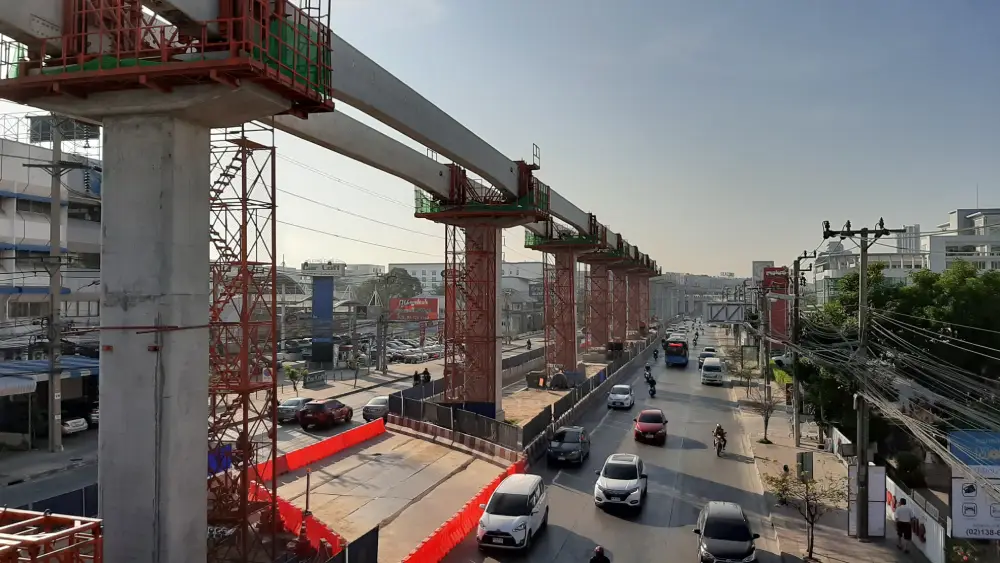
Ulwe sits closest to the Navi Mumbai International Airport footprint. Proximity enhances speculative appeal.
Residential demand in Ulwe is fueled by airport-linked employment expectations. As Mumbai 3.0 matures, Ulwe may witness accelerated capital movement and rapid absorption cycles.
Karjat: Nature-Driven Residential Growth in Mumbai 3.0
Karjat introduces a differentiated proposition within Mumbai 3.0. Unlike dense urban nodes, it offers nature-integrated living, villa communities, and plotted developments.
As connectivity improves, Karjat becomes attractive for second homes and gated communities aligned with lifestyle-oriented buyers. Developers such as Holistic Group are capitalizing on this trend by conceptualizing curated villa and farm-style communities that combine ecological aesthetics with structured planning.
Karjat’s positioning within Mumbai 3.0 is unique. It offers both appreciation potential and lifestyle arbitrage.
Also check Karjat Real Estate Boom: The Navi Mumbai Airport Effect
Panvel: The Gateway of Mumbai 3.0
Panvel is the administrative and transit nucleus of Mumbai 3.0. It connects rail, highway, and upcoming airport access corridors.
With educational institutions, commercial centers, and integrated townships emerging, Panvel presents balanced risk-reward potential. It is often considered the stabilizing anchor of Mumbai 3.0.
Dronagiri: The Emerging Investment Frontier
Dronagiri is positioned near port infrastructure and industrial zones. This dual advantage of port and airport connectivity strengthens Mumbai 3.0’s logistics narrative.
Industrial employment often precedes residential expansion. Investors looking for high-risk, high-reward positioning evaluate Dronagiri carefully within the broader Mumbai 3.0 ecosystem.
Pushpak Nagar: Planned Urban Expansion Zone
Pushpak Nagar is a CIDCO-planned node offering structured layouts and regulatory clarity. Planned infrastructure reduces compliance risk.
In Mumbai 3.0, disciplined urbanization is outperforming fragmented growth. Pushpak Nagar represents structured expansion aligned with long-term metropolitan planning.
Khalapur & Chowk: The Peripheral Appreciation Belt
Peripheral regions such as Khalapur and Chowk benefit from spillover demand. Land availability remains higher here compared to core nodes.
In Mumbai 3.0 cycles, peripheral belts often demonstrate delayed but exponential appreciation once core zones mature. Strategic land banking in these areas can generate asymmetric returns.
Connectivity Matrix: Road, Rail & Sea Links
Mumbai 3.0 integrates multimodal transport, including highways, suburban rail, metro extensions, and sea links. Connectivity is not singular. It is layered.
Layered connectivity enhances absorption rates. Absorption rates influence price stability. As infrastructure milestones are achieved, Mumbai 3.0’s investment thesis strengthens.
Comparison Table of Key Investment Zones in Mumbai 3.0
| Area | Proximity to Airport | Investment Type | Risk Level | Appreciation Potential |
|---|---|---|---|---|
| Panvel | Moderate | Apartments & Townships | Medium | High |
| Ulwe | Very Close | Apartments | Medium-High | High |
| Karjat | Extended Belt | Villas & Plots | Medium | High (Long Term) |
| Pushpak Nagar | Moderate | Planned Residential | Medium | Stable-High |
| Dronagiri | Close | Mixed Use | High | Very High |
Each node within Mumbai 3.0 presents distinct investment archetypes. Diversification across nodes can optimize risk-adjusted returns.
Residential vs Plot Investment in Mumbai 3.0
Apartments offer rental yield consistency. Plots and villas offer appreciation asymmetry. Mumbai 3.0 still provides plotted opportunities rarely available in mature urban centers.
Strategic diversification across asset classes within Mumbai 3.0 can mitigate volatility. Nature-centric plotted and villa communities, especially in Karjat, are gaining traction among long-horizon investors..
Rental Yield vs Capital Appreciation Potential
Airport-led regions typically witness stronger capital appreciation initially, followed by rental stabilization. Mumbai 3.0 may follow this pattern.
Short-term rental yields could remain moderate. Long-term capital growth appears structurally stronger, particularly in growth corridors supported by reputed developers and planned infrastructure.
Risks and Due Diligence Checklist
Verify RERA compliance. Assess land titles. Study infrastructure timelines. Avoid speculative over-leverage.
Mumbai 3.0 offers opportunity, but disciplined due diligence ensures capital preservation. Choosing established developers such as Holistic Group in emerging nodes reduces execution risk and enhances investment confidence.
Who Should Invest in Mumbai 3.0?
Long-term investors, NRIs, second-home buyers, and portfolio diversifiers benefit most from Mumbai 3.0 exposure.
Investors seeking villa communities, plotted developments, or eco-integrated residential formats may find Karjat and similar nodes particularly compelling within the Mumbai 3.0 framework.
Frequently Asked Questions
Is Mumbai 3.0 a government-declared project?
Mumbai 3.0 is an industry term describing the next phase of metropolitan expansion influenced by Navi Mumbai International Airport and surrounding infrastructure. It reflects market evolution rather than a singular government notification.
Which area in Mumbai 3.0 has the highest growth potential?
Ulwe and Panvel currently demonstrate strong growth indicators due to airport proximity and infrastructure readiness. However, Karjat and other peripheral nodes may outperform over longer investment horizons within Mumbai 3.0.
Is investing in Mumbai 3.0 risky?
All early-cycle investments carry risk. However, infrastructure-backed expansion reduces structural uncertainty. Thorough due diligence and selecting credible developers mitigate exposure.
How soon will Mumbai 3.0 see price appreciation?
Appreciation is typically phased, aligning with infrastructure milestones and airport operational timelines. Early positioning within Mumbai 3.0 generally yields better entry pricing.
Conclusion: The Long-Term Outlook of Mumbai 3.0
Mumbai 3.0 represents an infrastructural renaissance rather than speculative hype. The convergence of airport development, multimodal transport, and planned residential expansion creates a strong macroeconomic thesis.
Investors who evaluate nodes carefully, diversify asset types, and align with infrastructure timelines are likely to benefit from Mumbai 3.0’s multi-year growth trajectory. Strategic participation through structured, reputable developers—such as Holistic Group—can further enhance investment stability within this transformative phase of Mumbai 3.0.