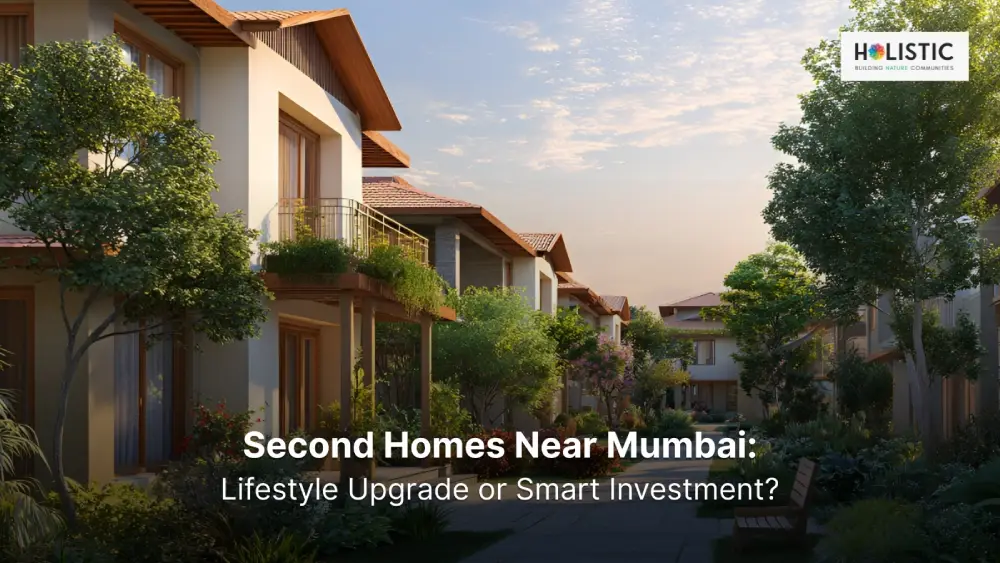
Introduction: The New Meaning of Second Homes Near Mumbai
Second homes near Mumbai have quietly shifted from being aspirational purchases to intentional life decisions. What was once viewed as an occasional indulgence is now a strategic response to changing work patterns, evolving family priorities, and a growing desire for spatial and emotional balance.
This shift is particularly evident in destinations that allow residents to step away from the city without disconnecting from it entirely.
Why the Concept of Second Homes Has Shifted
Second homes today are lived in, not locked up. They host weekends, extended stays, remote work weeks, and future plans. Buyers now expect these homes to function seamlessly across multiple phases of life.
As expectations mature, so does the demand for thoughtfully planned developments rather than isolated holiday properties.
Mumbai’s Urban Pressure and Lifestyle Fatigue
Mumbai’s density delivers opportunity, but it also imposes constraints. Limited space, constant movement, and sensory overload gradually take a toll. Over time, the desire for openness and quiet becomes less about luxury and more about the sustainability of life.
Second homes emerge as a way to restore equilibrium without abandoning urban access.
What Defines a Modern Second Home Today
A modern second home must be practical. It should be reachable without effort, comfortable year-round, and simple to manage. Buyers are increasingly conscious of long-term usability rather than short-term novelty.
Homes designed with low-density planning and managed infrastructure now set the benchmark.
The Lifestyle Argument: Space, Silence, and Slowness
The most immediate lifestyle upgrade comes from space. Space to breathe. Space to move. Space to think. Silence becomes a feature rather than an absence.
This slower cadence subtly reshapes daily habits and family interactions, creating a sense of intentional living.
Mental and Physical Wellness as a Core Motivation
Wellness has moved from aspiration to necessity. Cleaner air, reduced noise, and visual openness support better sleep, improved focus, and long-term health outcomes.
Second homes near natural landscapes provide these benefits without demanding drastic lifestyle changes.
Nature Access and Its Long-Term Health Impact
Regular interaction with natural surroundings changes behaviour over time. Walking becomes instinctive. Screen dependence eases. Social interactions feel more organic.
Developments that integrate nature into everyday living quietly enhance quality of life in ways that compound over years.
Why Distance from Mumbai Must Be Strategic, Not Extreme
Accessibility defines usage. A second home that is too distant risks becoming an occasional obligation. Locations within a manageable radius encourage spontaneity and frequent use.
This balance ensures the home remains relevant, lived in, and emotionally connected to daily life.

Karjat’s Emergence as a Preferred Second Home Destination
Karjat has steadily evolved into one of the most considered second-home destinations near Mumbai. Its topography, moderate climate, and green expanses create a calm yet connected environment.
The region’s development has remained measured, allowing it to retain its character while accommodating modern residential needs.
Infrastructure Growth and Its Role in Value Creation
Infrastructure acts as the silent enabler of real estate value. Enhanced road networks, rail connectivity, and regional planning initiatives have strengthened Karjat’s accessibility.
As infrastructure matures, lifestyle comfort and investment confidence rise in parallel.
Connectivity Improvements and Weekend Practicality
Ease of travel determines frequency of use. Smooth highways and dependable rail access make short, spontaneous getaways feasible rather than planned events.
This practicality transforms second homes from occasional retreats into extensions of everyday life.
Second Homes as a Financial Asset Class
From an investment lens, second homes occupy a unique position. They deliver experiential returns while remaining anchored to tangible asset value.
Unlike purely speculative investments, they offer both enjoyment and long-term capital stability.
Capital Appreciation in Developing Micro-Markets
Micro-markets with controlled development often demonstrate resilient appreciation. Limited land availability, rising demand, and infrastructure momentum create sustained upward pressure on values.
Karjat reflects many of these fundamentals, making it attractive beyond lifestyle considerations.
Rental Income and Flexible Usage Potential
Second homes also allow for income flexibility. Managed communities enable owners to generate rental returns during non-usage periods without operational complexity.
This dual-use model enhances overall asset efficiency.
Low-Density Planning and Scarcity Economics
Low-density communities preserve privacy, reduce congestion, and maintain environmental quality. Over time, such planning becomes increasingly rare.
Scarcity, when paired with thoughtful design, strengthens long-term desirability.
The Importance of Gated, Managed Communities
Predictability and security matter, especially for homes that are not occupied full-time. Gated communities offer controlled access, consistent upkeep, and shared standards.
These elements provide reassurance and simplify ownership.
Maintenance Simplicity and Ownership Ease
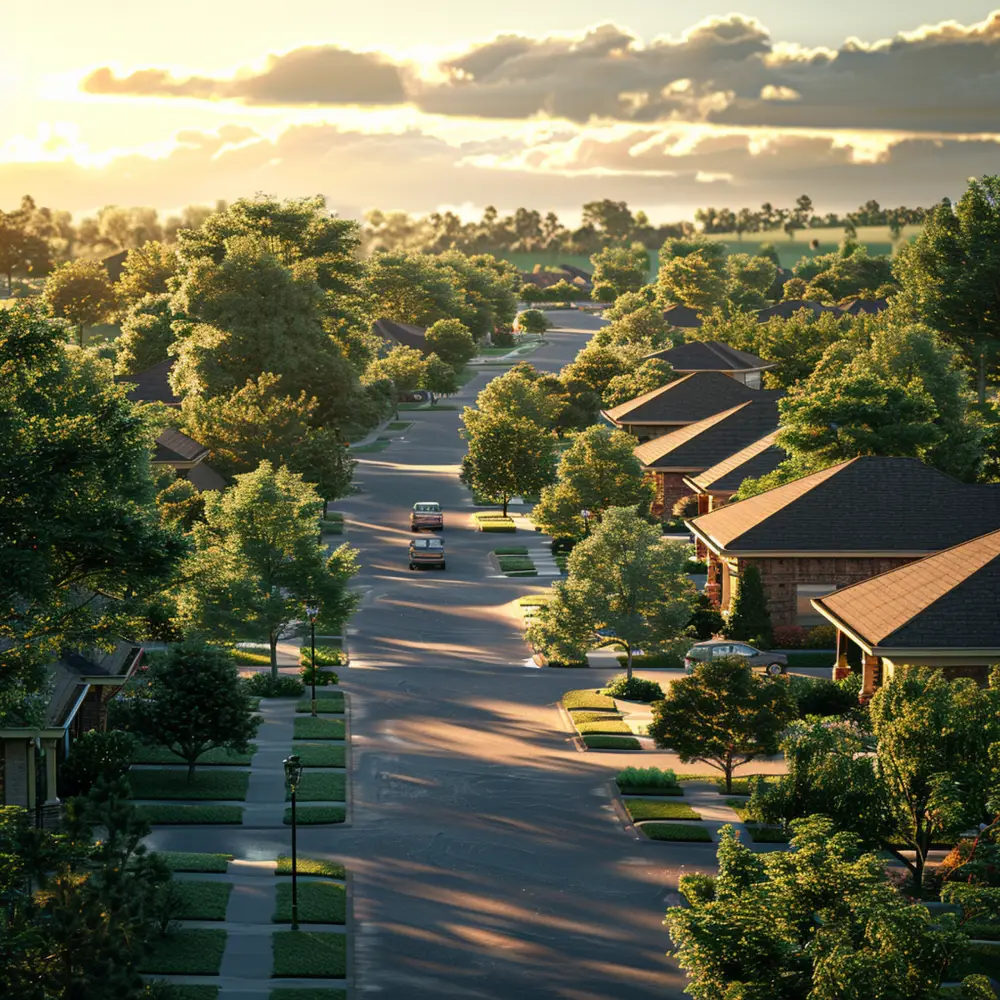
Second home ownership should not feel administratively heavy. Centralised maintenance, landscaping, and security services reduce ongoing effort.
Developments that integrate professional management allow owners to focus on experience rather than logistics, a philosophy increasingly reflected in nature-led communities developed by groups such as Holistic Group, where long-term livability is prioritised over density.
Who Benefits Most from Second Home Ownership
Second homes appeal to varied profiles. Families seeking unhurried time together. Professionals need decompression spaces. Retirees planning gradual transitions. Investors looking for stable, asset-backed growth.
The motivations differ, but the underlying desire for balance is consistent.
Lifestyle-First Buyers vs Return-Focused Investors
Some buyers are driven by emotion. Others by numbers. The most enduring second-home decisions tend to satisfy both.
Projects that combine lifestyle sensibility with structural fundamentals naturally attract this blended buyer mindset.
How Thoughtful Developments Are Redefining Second Homes
Thoughtfully planned developments are changing how second homes are perceived. Emphasis on sustainability, low-density layouts, and managed ownership reflects a deeper understanding of evolving lifestyles.
Nature-centric communities developed with this philosophy demonstrate how second homes can transition from indulgence to intention.
Final Perspective: Lifestyle Upgrade, Smart Investment, or Both
The line between lifestyle upgrade and smart investment is increasingly indistinct. A well-chosen second home villas near Mumbai offers emotional enrichment today and financial resilience tomorrow. In that convergence lies its lasting value.